
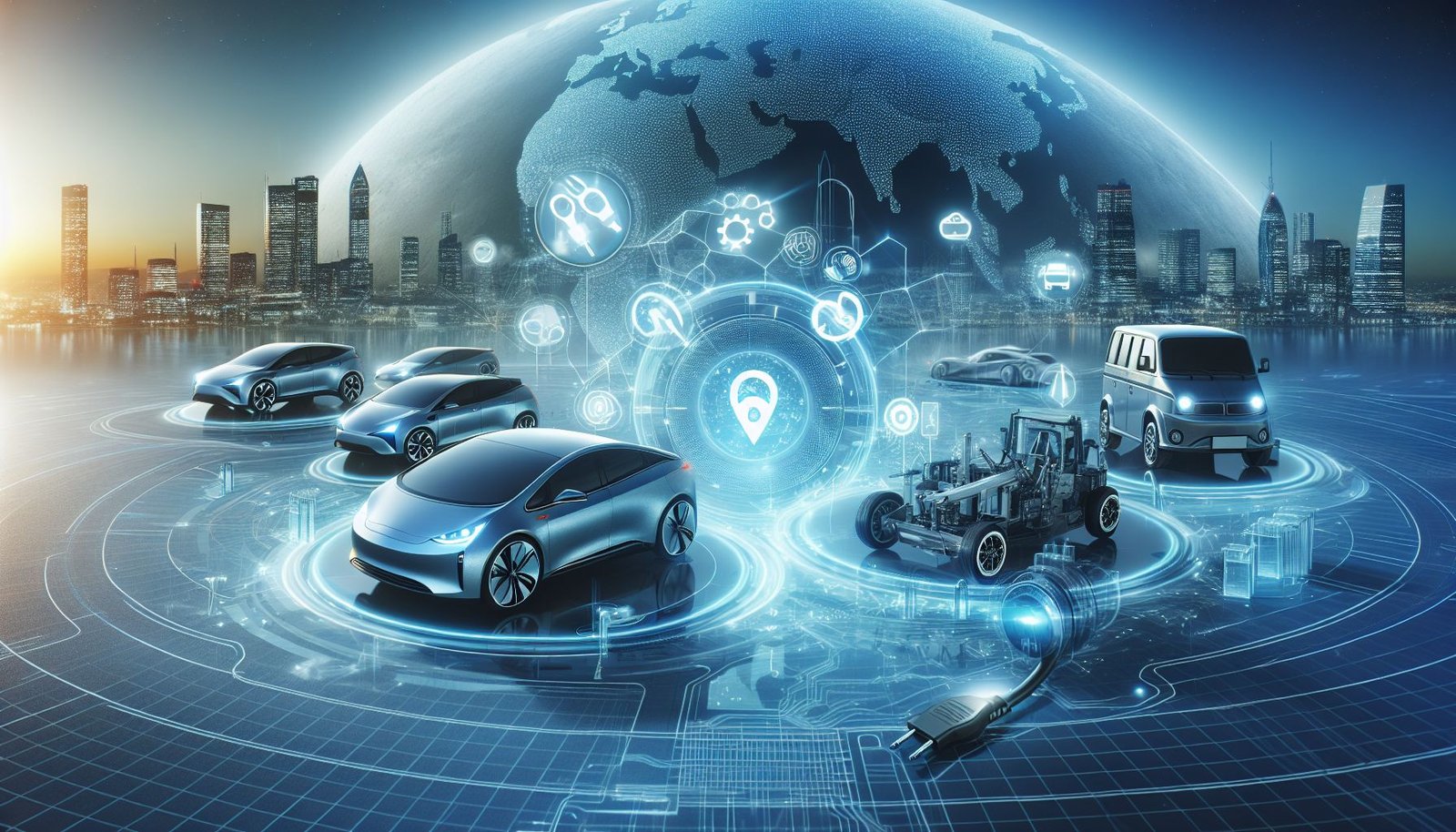
Understanding Electric Vehicles (EVs)
Electric vehicles (EVs) represent a significant shift in the automotive industry, characterized by their reliance on electric power rather than traditional gasoline engines. Broadly, EVs can be classified into two main types: battery-electric vehicles (BEVs) and plug-in hybrid electric vehicles (PHEVs). BEVs operate solely on electric power, utilizing large battery packs to provide propulsion, while PHEVs combine an electric motor with a gasoline engine, offering flexibility in driving range and refueling options.
The technology behind electric vehicles leverages advanced battery systems, often lithium-ion batteries, which store energy that powers the vehicle’s electric motor. These batteries not only contribute to enhanced fuel efficiency but also result in significantly lower carbon emissions compared to their gasoline counterparts. As the demand for sustainable alternatives grows, manufacturers are continuing to innovate, improving battery capacity, reducing charging times, and expanding the overall range of electric vehicles to alleviate concerns such as range anxiety.
Moreover, misconceptions about charging infrastructure and battery life often deter potential buyers. In reality, charging stations are becoming increasingly prevalent, with urban areas and highways equipped with fast-charging facilities. Home charging options also allow users to conveniently recharge their vehicles overnight. Furthermore, modern EV batteries are designed for longevity, often lasting for years and many models come with warranties extending up to eight years or more.
Transitioning to an electric vehicle not only aligns with a commitment to reducing one’s carbon footprint but also offers potential savings on fuel and maintenance. As older gasoline-powered cars contribute to air pollution and climate change, the benefits of adopting EVs are becoming clearer. Understanding the mechanics and advantages of electric vehicles is essential for consumers considering this sustainable transportation option.
Environmental Impact: Reducing Carbon Footprint
The environmental benefits of electric vehicles (EVs) are increasingly recognized as a critical component in the global effort to combat climate change and reduce carbon footprints. EVs have the potential to significantly diminish greenhouse gas emissions when compared to traditional combustion engine vehicles. According to the U.S. Environmental Protection Agency (EPA), electric cars produce zero tailpipe emissions, which directly contributes to lower air pollution in urban environments. Research indicates that shifting to electric vehicles can reduce overall emissions by as much as 70% when considering the fuel source and the energy used for charging.
Another pivotal aspect of the environmental impact of EVs involves their lifecycle emissions. While there are emissions associated with the production of electric vehicle batteries, studies show that even when factoring in these production emissions, EVs present a substantially lower emissions profile over their operational life compared to gasoline or diesel vehicles. A study by the Union of Concerned Scientists reveals that EVs produce less than half the emissions of conventional cars, even when powered by electricity from fossil fuels. Furthermore, as the energy grid becomes increasingly dependent on renewable sources such as wind, solar, and hydropower, the emissions associated with operating electric cars are projected to further decrease.
It is essential to note that the maximation of the ecological benefits derived from electric vehicles is closely tied to the deployment of renewable energy sources. Utilizing clean energy for charging EVs enhances their capacity to combat climate change and improve air quality. By adopting a holistic approach that includes responsible battery production, efficient recycling processes, and a shift toward renewable energy, the environmental impact of electric cars can be amplified. The transition to electric vehicles thus represents a significant opportunity for individuals, businesses, and governments to contribute positively to the planet’s environmental sustainability.
Economic Advantages of Owning an Electric Car
Owning an electric vehicle (EV) presents numerous economic advantages compared to traditional internal combustion engine vehicles. One of the most significant benefits is the substantial savings on fuel costs. As the prices of gasoline continue to fluctuate due to market conditions, driving an electric car offers a more predictable and often lower-cost alternative. Charging an EV is typically less expensive than filling up a tank with gasoline, and many electric car owners utilize home charging stations during off-peak hours to further reduce their costs.
Additionally, electric vehicles usually require less maintenance than their gasoline counterparts. They have fewer moving parts and do not require oil changes, leading to diminished service costs over time. Furthermore, the brake systems in electric cars often last longer due to regenerative braking, which further decreases maintenance expenses. By reducing these operational costs, owners realize more significant savings over the lifespan of the vehicle.
In various regions, government incentives including federal tax credits and state rebates also make purchasing an electric vehicle more financially attractive. For instance, some buyers may qualify for substantial credits, effectively lowering the overall purchase price of the EV. These incentives can enhance the affordability of electric vehicles and encourage a more sustainable lifestyle.
When considering resale value, electric cars tend to retain their worth relatively well, especially as demand for cleaner transportation options continues to rise. Furthermore, with the possibility of rising fuel prices, investment in an electric vehicle offers a hedge against future costs. The economic stability associated with owning an electric car positions it as a prudent choice for budget-conscious consumers looking to save money while making environmentally responsible decisions.
Making the Switch: How to Choose the Right Electric Car for You
Choosing the right electric car (EV) involves a careful assessment of various factors tailored to your individual needs and lifestyle. One key consideration is the vehicle’s range. Depending on your daily driving habits, it’s crucial to select an electric car that can comfortably cover your typical commute on a single charge. Most modern electric vehicles offer extensive ranges, often exceeding 200 miles. However, it’s advisable to consider your specific routine to avoid range anxiety.
Charging options are another essential factor. Assess the availability of charging stations near your home, workplace, and frequent travel locations. Understanding the difference between level 1 and level 2 chargers will also help you determine how quickly you can recharge your vehicle. Some models even come with fast-charging capabilities, which can significantly reduce down time during long trips.
When evaluating electric vehicles, consider the features that are most important to you. This could include advanced safety technologies, infotainment systems, and interior space. Researching the various models available in the market allows you to compare these features effectively. Consumer reports and ownership reviews can provide valuable insights into the reliability and performance of specific models.
Your budget is a significant determinant in your decision-making process. Electric vehicles can vary widely in price, often with additional costs for optional features. However, it’s also important to consider the long-term savings on fuel and maintenance that come with choosing an EV. Many owners report satisfaction with their decision, citing reductions in both greenhouse gas emissions and fuel expenditures. Speaking with current electric car owners may help you better understand their experiences and the benefits of making this transition.
Ultimately, by considering range, charging options, model features, and budget, you can make a well-informed choice that aligns with both your driving needs and your commitment to sustainability.
No responses yet